
Start with the name. Then get specific.
A Pokémon name is a good starting point, but it is not a complete card identity. The same character can appear on several cards, across several sets.
Search the name printed on your card in the card catalogue. Keep any suffix that is part of the name, then use the set and collector number to narrow the results. Pokémon’s own database also supports searches by name and expansion.
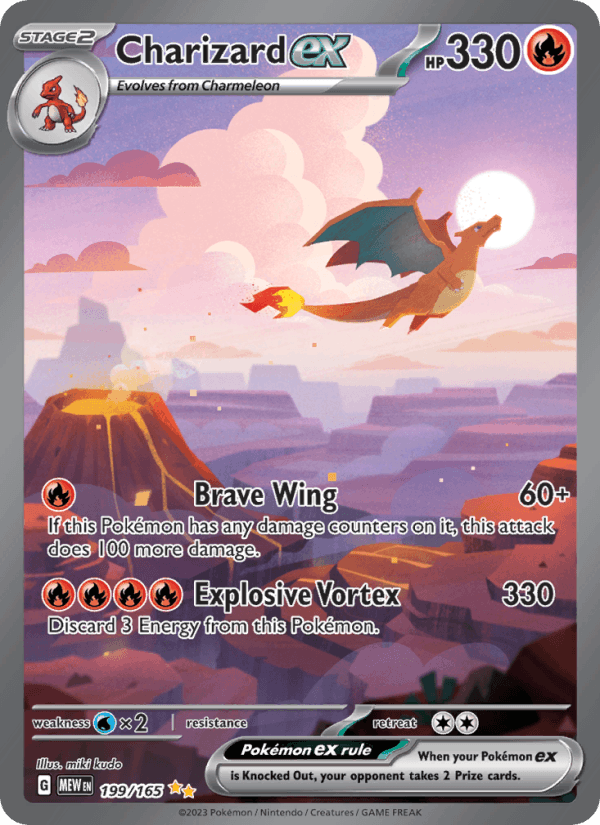 199 / 165 · The details make the difference.
Match the set and the collector number.
Look for the card’s set information and collector number. Keep the number exactly as printed, including letters or leading zeroes. Use the set checklists to compare the record with your card.
- Match the printed name.
- Confirm the set rather than choosing the first similar artwork.
- Compare the collector number and available artwork.
Check the details of your copy.
After finding the catalogue entry, check the language, finish, stamps and condition of the physical card. Those details matter when you describe what you own.
A catalogue entry can group supported printings. It does not inspect or authenticate the card in your hand. If you are unsure about a printing, keep a note of the uncertainty instead of selecting an option by guesswork.
When the artwork is missing
Some imported records do not include an image. Confirm the name, set and number using another reliable reference before treating the record as a match. You can send a correction with the card page and the source you used.
Sources and related reading
- Pokémon Support: using the Trading Card Game database
- How Pullday identifies cards and describes coverage
- Using a set checklist
Product help prepared for this build. No card authentication or valuation is provided by this guide.